Sustainability

Eco-friendly gift baskets
Your search for the perfect eco-friendly gift basket ends here. With Saul Good Gift Co., you're not just gifting a basket—you're gifting a promise of sustainability, local community support, and a brighter future for all.
We've been blazing a trail towards environmental sustainability since day one. Our journey is more than just profits—it's about shaping a better world. Every Saul Good gift basket tells a tale of social impact, transparency, accountability, and unwavering commitment to eco-friendly practices.
Earth-first: Every package tells a sustainable story

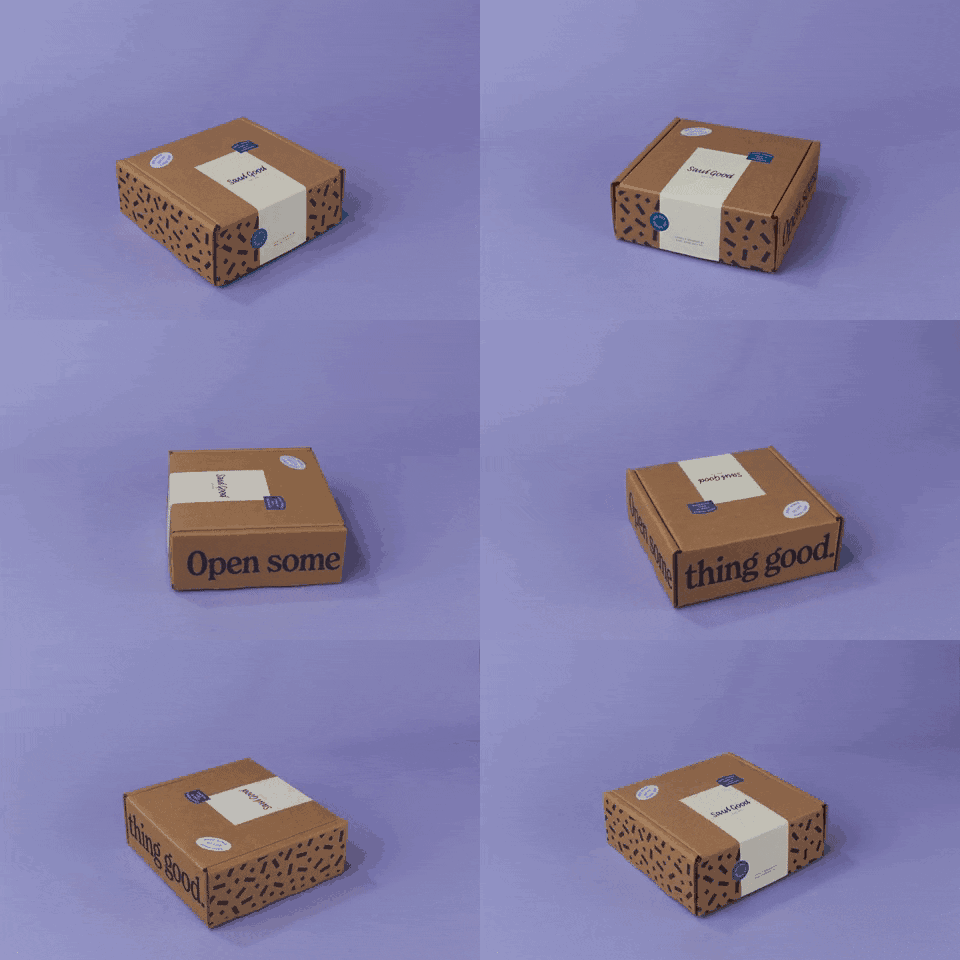
With a thumbs-up from Canopy Planet and Pack4Good, our 100% recycled paper packaging doesn't just look good—it does good, steering clear from ancient and endangered forests. Every choice we make, from materials to branding, resonates with our enduring commitment to quality and the environment.
Local first, carbon last
We're proud of our unique local-first approach. By emphasizing local sourcing and regional shipping, we're not only supporting local artisans and economies but also significantly reducing our carbon footprint. Opt for a Saul Good gift basket, and you're supporting both local dreams and a greener planet.
Good vibes, greater impact
Our annual Impact Report is a testament to the strides we've made. For instance:
- Saving trees & conserving water:
By reducing paper used in our packaging by 68% and by using 100% recycled paper, we save 478 trees annually.
- Cutting carbon:
With our new packaging, we've significantly reduced our carbon footprint by 61%, and by committing to 100% recycled packaging, we reduced carbon emissions even further by 75%.
- Promoting local excellence:
Going local means reducing greenhouse gas emissions, bolstering our communities, and showcasing the unique talent of artisans we're proud to call our partners. Last year we created over 92,000 hours of living wage employment with small businesses in Canada through our local purchasing.
Top eco-friendly gift baskets

The Locavore
Includes crackers, local BC honey, East Van Jam, earl grey tea, bean to bar chocolate, shortbread
Unscented Green Clean
Includes Unscented spray cleaner, hand soap, dish liquid, coconut scrubbies and FSC wooden dish brush
Turtle Island
Features Indigenous led businesses including coffee, tea, bannock, chocolate and maple syrup
Sugar Beach
Includes maple sponge toffee, buttercrunch toffee, artisan chocolate, dark chocolate truffles
Staycation
Includes a soy wax candle, lavender latte blend, earl grey tea, BC honey and bean to bar chocolateOur trust partners
Our eco-friendly gift baskets come with the backing of noteworthy certifications:
B Corporation

It is easy to be bombarded by companies' claims for environmental responsibility. B Corporations were created to help give consumers insight into who is green-washing and identify companies who are really walking the talk. To become a Certified B Corp we passed rigorous standards for community, environment, consumers, employees, and accountability. We’ve gone so far as to change our corporate charter to ensure that our Directors consider the impact we create in our community and the environment through our strategy and operations. We are honoured to have received international recognition from B Corp. Learn more.
Climate Smart

We're proactive in measuring, reducing, and offsetting our carbon emissions, ensuring our commitment to the environment is tangible. Learn more.
Living Wage Certified

Fairness is at our core. We ensure every team member receives fair compensation, so they can savour life's sweetness. Learn more.
Ancient Forest Friendly
Partnering with Canopy Planet, our materials stem from sustainable and responsibly managed forests, reflecting our dedication to our planet's health.
Related eco-friendly gift posts

Support Reconciliation with Indigenous Gifts
Discover sustainable, locally sourced gifts and support Indigenous artisans. Elevate your corporate gifting with us. Based in Toronto and Vancouver, Saul Good Gift Co. leads eco-friendly corporate gifting across Canada.

15 Eco-Friendly Corporate Gift Ideas
Looking for a sustainable corporate gift idea? From gifting experiences to gift baskets with local goodies, discover ideas for eco-friendly corporate gifting.